
Unforgettable tales of luck and loss in gambling history
The Rise and Fall of Charles Wells
Charles Wells is a name that resonates in the world of gambling, particularly for his remarkable luck that led to substantial wins in Monte Carlo during the late 19th century. In 1891, Wells famously turned a modest stake into an astounding fortune, reportedly winning over £1 million—a staggering amount for that time. His extraordinary winning streak included a series of roulette games where he claimed to have beaten the odds repeatedly, earning him the nickname “The Man Who Broke the Bank at Monte Carlo.” Even today, many are intrigued by success stories like his, often leading them to explore non gamstop casinos for their own chance at fortune.
However, this incredible fortune was short-lived. The thrill of gambling and the pressure to maintain his lavish lifestyle led Wells to gamble excessively. Ultimately, he lost his winnings and faced financial ruin. His life is a poignant reminder of how luck can swiftly turn into loss, leaving behind tales of both triumph and despair.
The Legend of the Infamous Bad Beat
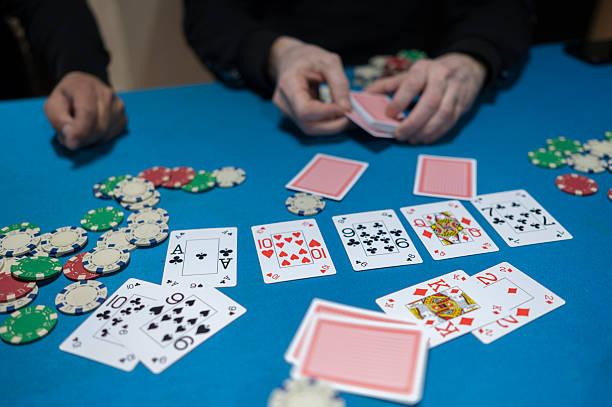
In the realm of poker, few stories encapsulate the blend of luck and loss better than the concept of a “bad beat.” A notorious example occurred during the 2007 World Series of Poker when a player holding pocket aces went all-in against an opponent with a lower hand. To everyone’s shock, the rival player drew a winning straight on the river card, resulting in a dramatic shift in the tournament’s dynamics. This incident became legendary, showcasing not only the unpredictability of poker but also how a single moment can drastically alter fortunes.
This example illustrates the emotional rollercoaster that accompanies gambling. Players experience euphoric highs when they win but can also feel devastating lows when luck takes a turn for the worse. Bad beats serve as a reminder that while skill is crucial in poker, luck remains an uncontrollable factor, and the outcomes are often unpredictable.
The Tragic Tale of the Stardust Casino Heist
The Stardust Casino in Las Vegas was the scene of one of the most infamous gambling heists in history. In 1992, a group of thieves executed a meticulously planned robbery that involved intricate knowledge of casino operations. They managed to steal millions of dollars before disappearing without a trace. This heist not only represented a significant loss for the casino but also highlighted the risks involved in high-stakes gambling environments.
The heist left a lasting impact on the casino industry, prompting increased security measures and changes in how casinos operate. The story of the Stardust Casino heist reflects the darker side of gambling, where not only players face losses but establishments can also be vulnerable. It serves as a cautionary tale about the intersection of luck, loss, and the potential for crime in the world of gambling.
The Lottery: Striking it Rich and Losing It All
Lottery stories are often filled with tales of extraordinary luck, but they also include heartbreaking accounts of loss. One of the most notable cases is that of Jack Whittaker, who won a staggering $314 million in the Powerball lottery in 2002. Initially, his life seemed transformed for the better, as he indulged in lavish purchases and philanthropy. However, the ensuing years were fraught with misfortune, including personal tragedies and legal issues, leading him to declare that winning the lottery was a curse rather than a blessing.
This narrative illustrates the paradox of sudden wealth. While it provides opportunities, it can also bring unforeseen challenges and pressures. Many lottery winners, like Whittaker, find that the luck of winning can lead to losses—be they financial, relational, or emotional—proving that luck and loss often coexist in the world of gambling.
Community and Support in Gambling Culture
As the gambling industry continues to evolve, it remains essential for individuals to find community and support. This is particularly important in a landscape where stories of luck and loss abound. Online platforms and local gatherings provide opportunities for people to connect, share experiences, and learn from one another. These communities foster discussions on responsible gambling, helping individuals navigate the highs and lows associated with the activity.
Creating a supportive environment allows for a deeper understanding of gambling’s impact on personal lives. By sharing tales of both luck and loss, individuals can find solace and strategies for managing their own gambling experiences. Whether through workshops or online forums, the focus on community can transform how people approach gambling, emphasizing the importance of resilience and support amidst the unpredictable nature of chance.
