

Preferred stock that can be exchanged by the holder for a specified number of shares of common stock of the same company. The amount at which the holder of preferred stock or bonds must sell the stock or bonds back to the issuing corporation. The call price might be the face or par amount plus one year’s interest or dividend. A document that discloses important information on bonds or preferred stock. Included in the indenture would be the call price, the actions that can occur if the company fails to pay the interest or dividend, etc. The date that determines which stockholders are entitled to receive a corporation’s declared dividend.
What Does a Shareholders’ Equity Ratio of 100% Indicate?
- As such, Net Worth is a crucial indicator in credit decisions, retirement planning, and financial risk assessment.
- Net worth refers to the total value of a company’s assets minus its debts.2) Does negative shareholder equity indicate bankruptcy?
- In essence, it demonstrates how much an entity ‘owns’ after meeting all obligations.
- A positive stockholders’ equity indicates that a company has more assets than liabilities, while a negative balance may signal financial distress or excessive debt.
- A company’s shareholders’ equity tells the investor how effectively a company is using the money it raises from its investors in order to generate a profit.
- Learn how Shareholders’ Equity defines the residual ownership claim, its key components, and how corporate actions impact investor value.
- Investors often use stockholders’ equity as a benchmark when comparing various companies within the same industry, allowing them to make informed decisions based on the financial strength of each organization.
The accounting equation still applies, where stated equity on the balance sheet is what is left over when subtracting liabilities from assets, arriving at an estimate of book value. Privately QuickBooks Accountant held companies can then seek investors by selling off shares directly in private placements. These private equity investors can include institutions like pension funds, university endowments, insurance companies, or accredited individuals. Retained earnings are part of shareholder equity and represent net income that is not paid to shareholders as dividends.
Transactions That Change Shareholders’ Equity
When shares of stock are issued for noncash items, the items and the stock must be recorded on the books at the fair market value at the time of the exchange. Since both the stock given up and the asset or services received may have market values, accountants record the fair market value of the one that is more clearly determinable (more objective and verifiable). Since the balance sheet amounts reflect the cost and matching principles, a corporation’s book value is not the same amount as its market value. For example, the most successful brand names and logos of a consumer products company may have been developed in-house. Since they were not purchased, their high market values are not included in the corporation’s assets.
Paid-in Capital or Contributed Capital
Shareholders, however, are concerned with both liabilities and equity accounts because stockholders equity can only be paid after bondholders have been paid. It represents the residual interest in the assets of a company after deducting liabilities. Purchasing a company’s stock over time gives the privilege or the right to vote in a board of directors elections. It also yields capital gains for the shareholder and potentially dividends. All these benefits eventually create a shareholder’s ongoing interest in the company’s equity.
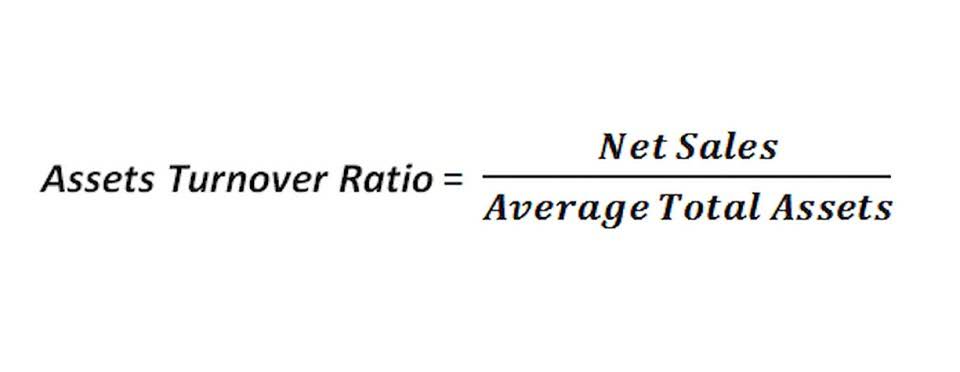
- If the company were to liquidate, shareholders’ equity is the amount of money that its shareholders would theoretically receive.
- Below is an example screenshot of a financial model where you can see the shareholders equity line completed on the balance sheet.
- Shareholder Equity and Net Worth are both essential financial metrics used by investors, analysts, and businesses to evaluate a company’s financial health, profitability, and investment potential.
- Treasury shares are those reacquired by a corporation and held in its treasury rather than being traded on the market.
- In conclusion, understanding shareholder equity and analyzing real-world examples helps investors better comprehend a company’s financial position and assess its potential investment merits.
In this section, we will discuss some significant determinants of shareholder equity, focusing on accounting policies and reporting standards. Shareholder equity (SE) plays a significant role in understanding a company’s financial health, but it is just one piece of the puzzle. There are other essential metrics investors and analysts must consider to make informed investment decisions. In this section, we compare shareholder equity to market value and book value.

Retained Earnings
- A healthy balance sheet, with positive shareholder equity, is desirable for investors seeking long-term growth opportunities.
- By analyzing both share capital and retained earnings components within stockholders’ equity, institutional investors gain valuable insights into a company’s financial performance and overall health.
- When combined with other tools, an investor can use equity to accurately analyze the health of an organization.
- In addition, a company’s assets and liabilities can change at any time because of unforeseen circumstances.
It serves as the backbone of corporate financing and shareholder ownership. For businesses, it provides a flexible source of capital, while for investors, it offers opportunities for growth and influence. Retained earnings consist of accumulated profits that the company chooses to reinvest rather than distribute as dividends.

Key Components of Shareholders’ Equity Explained

The company also reported an accumulated other comprehensive loss of $7.2 billion. Insurance Expense, Wages Expense, Advertising Expense, Interest Expense are expenses matched with the period of time in the heading of the income statement. Under the accrual basis of accounting, the matching is NOT based on the date that the expenses are paid. A gain is CARES Act measured by the proceeds from the sale minus the amount shown on the company’s books.
Accounting Equation Method
The officers include the president, chief executive officer (CEO), chief operating officer (COO), chief financial officer (CFO), vice presidents, treasurer, secretary, and controller. In the case of a corporation, stockholders’ equity and total stockholders equity owners’ equity mean the same thing. However, in the case of a sole proprietorship, the proper term is the owner’s equity, as there are no stockholders.
